Why It Matters
Cintra & the Making
of New Hope
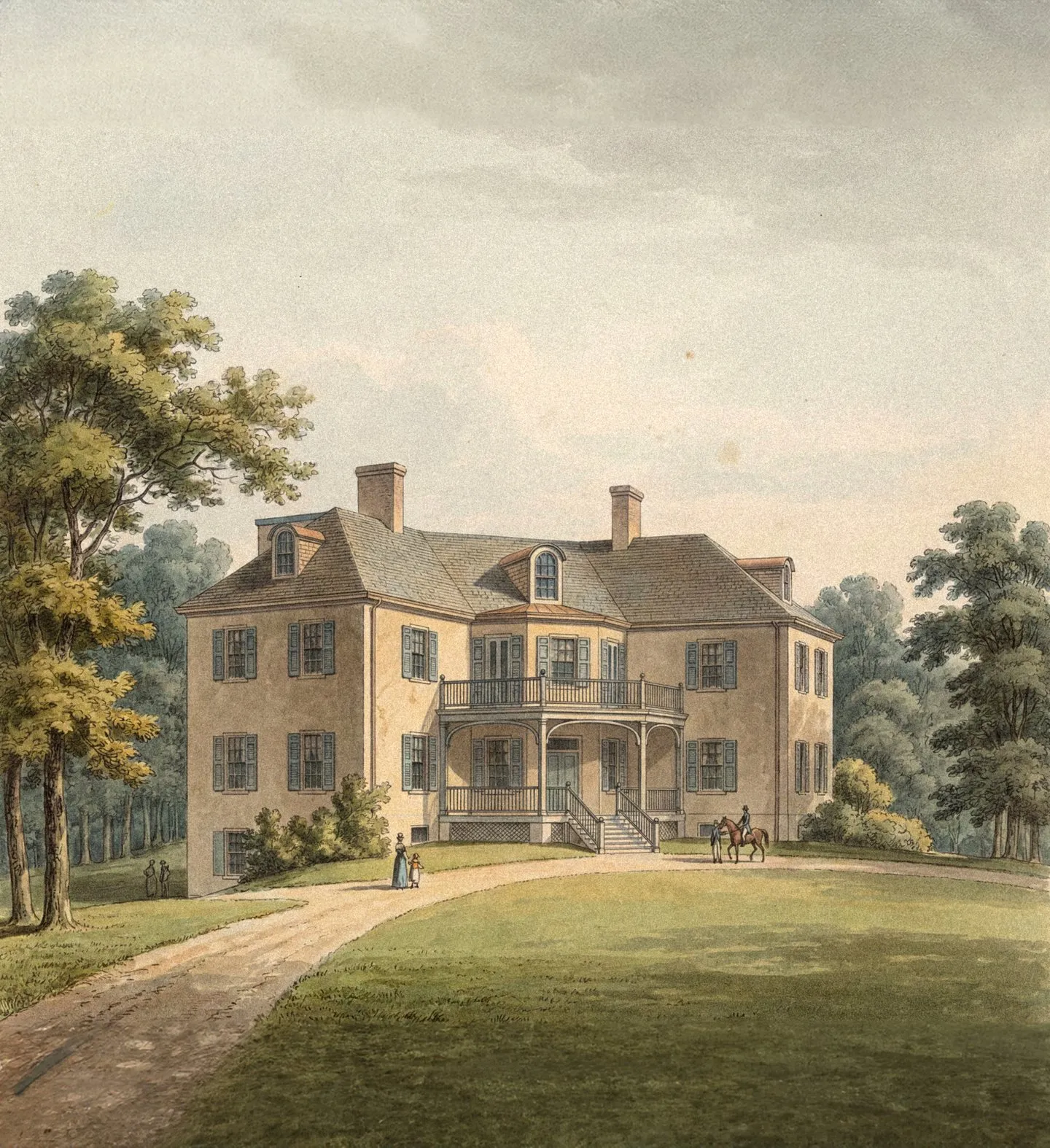
1816 William Maris helped create the commercial heart of New Hope, then built Cintra as his home, inspired by a palace in Portugal.
William Maris was a Philadelphia industrialist who helped turn a river crossing into a thriving town. He constructed cotton, woolen, and flax mills on Aquetong Creek, built the Brick Hotel and the Delaware House at Main and Bridge, and partnered with Benjamin Parry and Lewis Coryell on the Union Mills — buildings that still form much of New Hope's historic commercial core today.1
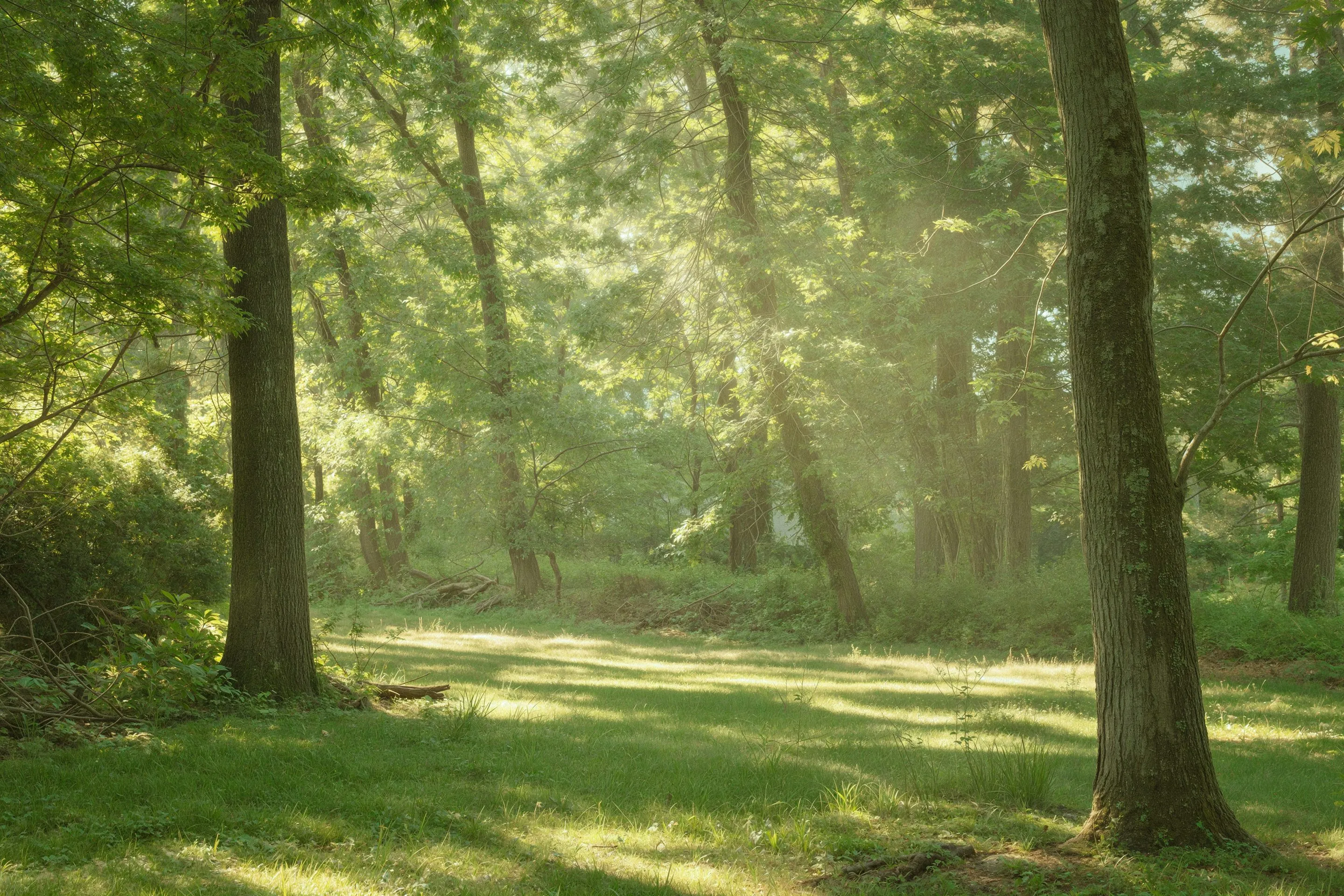
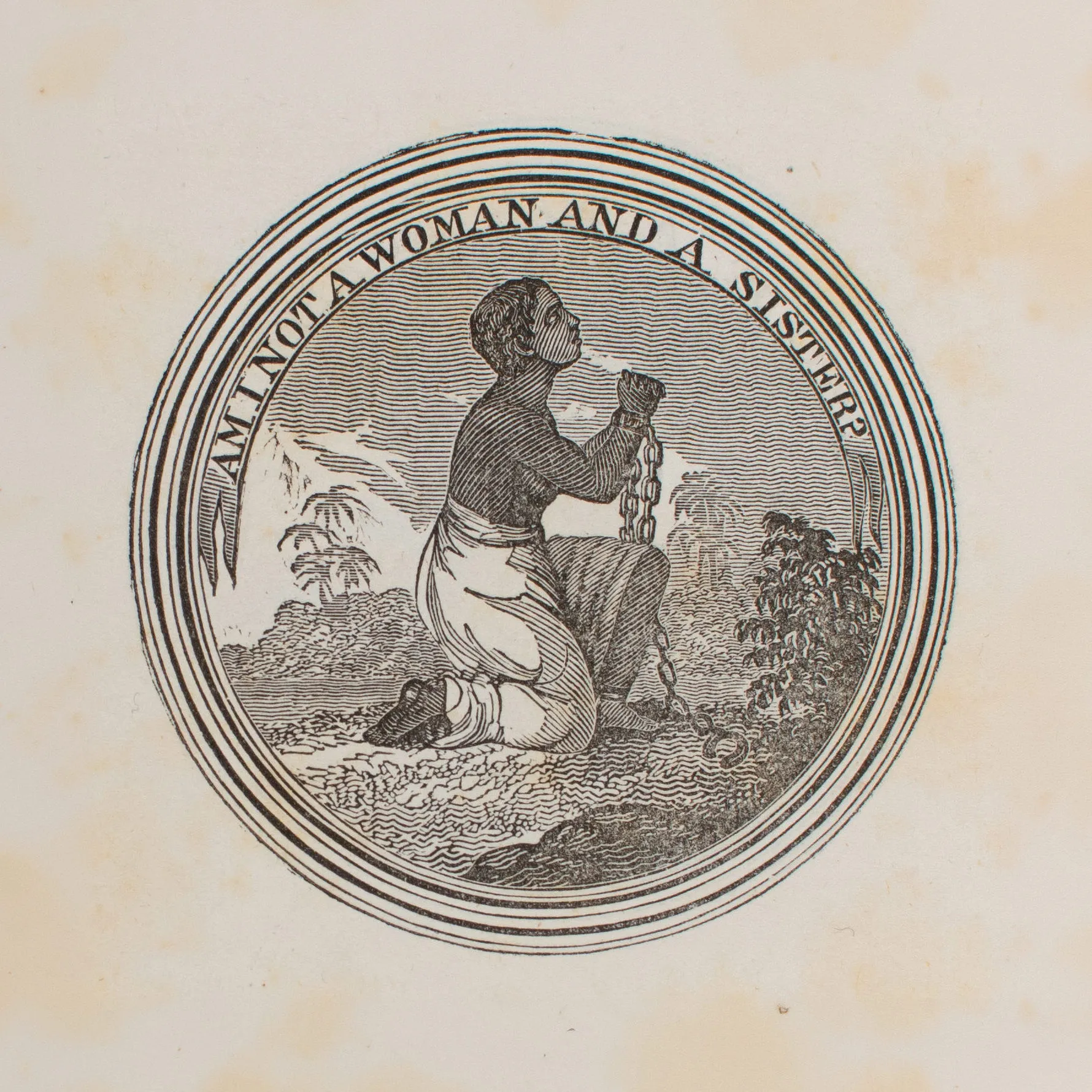
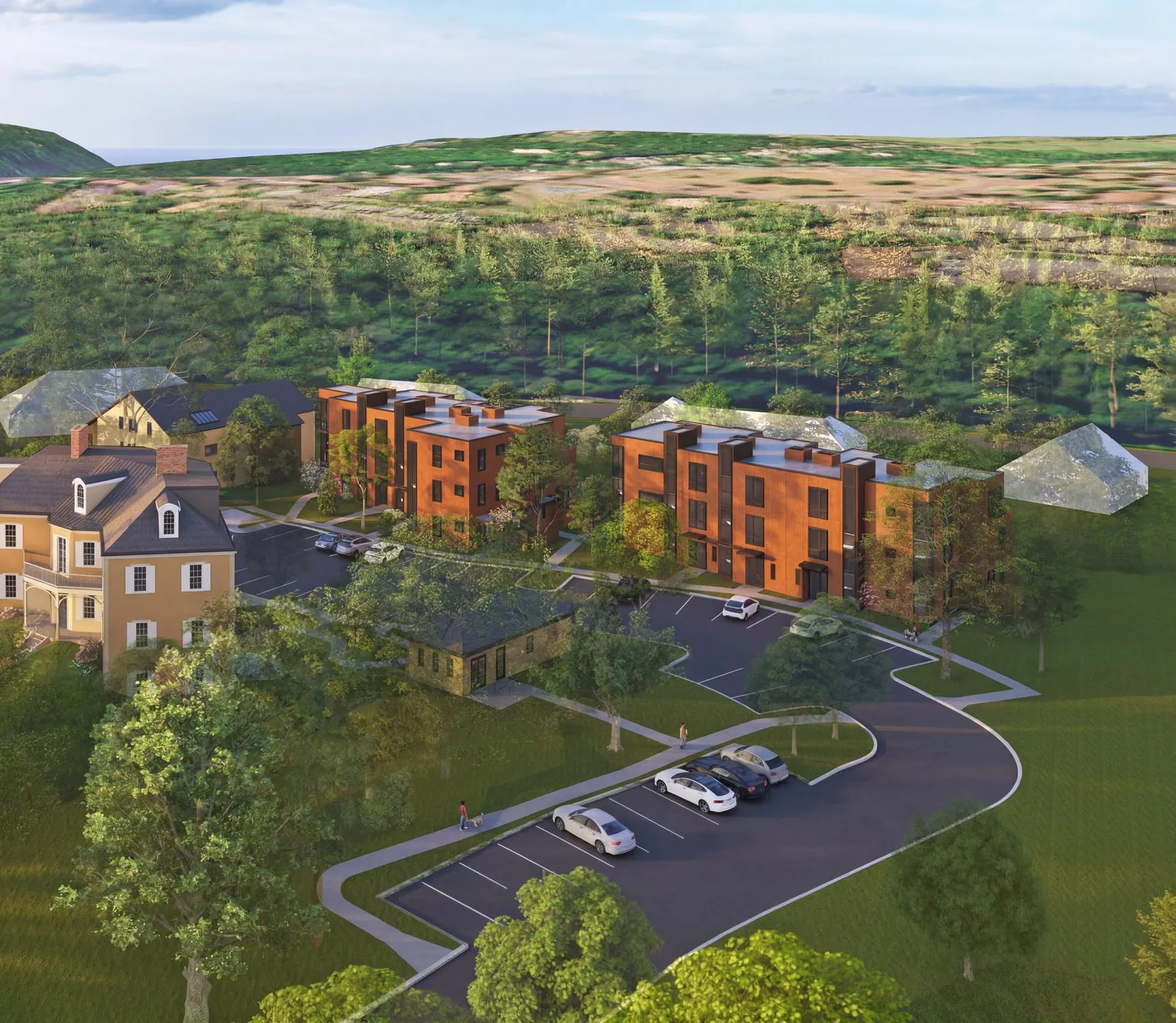
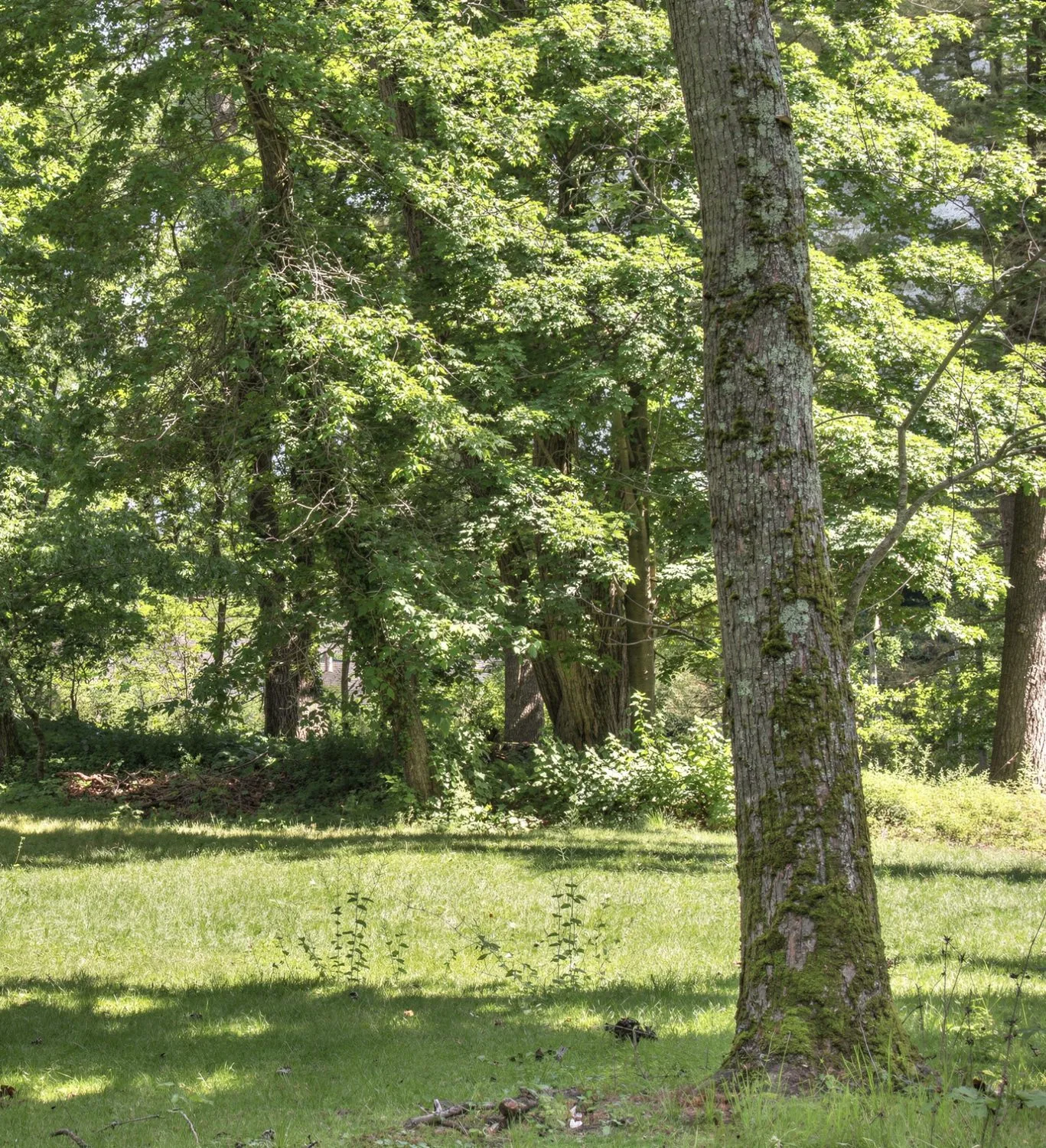
Around 1816, on a trip to Portugal, Maris saw the palace at Sintra and adapted its plan for his own home on West Bridge Street: a fieldstone house with a central octagonal hub flanked by two matching wings. He named it Cintra, and planted the grounds with specimen trees — several of which still stand on the five acres that remain of the estate and in the properties of surrounding homes. In 1834, Cintra passed to the Ely family, who held it for more than a century, during which time it became central to two of the era's most consequential social movements.2